Addressing Risks: Why Your Company Needs Professional Public Safety Consulting Services
In the modern rapidly shifting landscape, businesses encounter a vast array of risks that can jeopardize public safety. Qualified public safety consulting services present crucial insights into managing these challenges. By maintaining compliance with regulatory standards and cultivating a culture of preparedness, these consultants play an essential role in safeguarding both employees and the community. As the complexities of risk management keep expanding, understanding the importance of these services becomes paramount for any organization. What steps should be taken next?
Public Safety Consulting: Why It Matters: Securing Your Organization
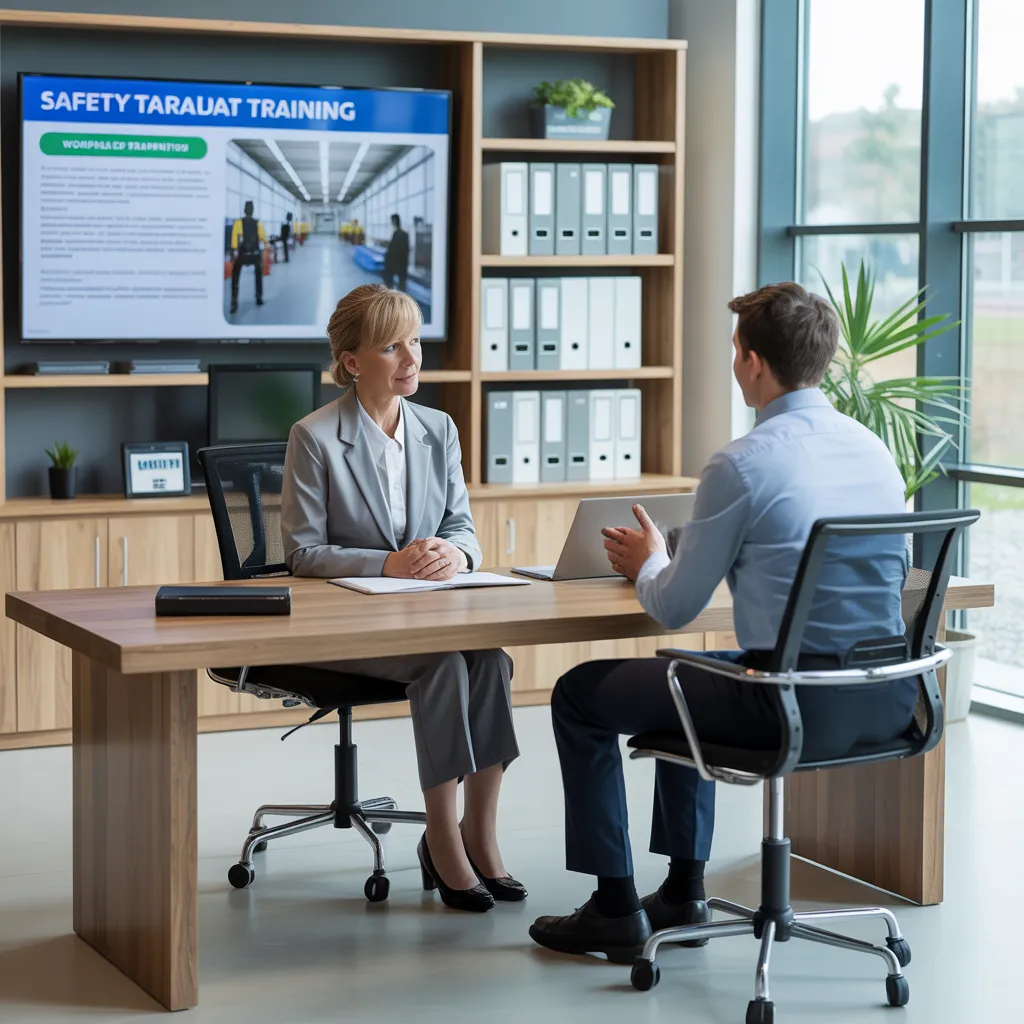
Even though countless organizations give priority to growth and development, the value of public safety consulting remains paramount in the modern complex environment. Public safety consulting serves as a essential foundation for organizations to address the numerous challenges they face. By engaging with experts in this field, organizations can ensure compliance with regulations, implement comprehensive safety protocols, and cultivate a culture of preparedness.
This professional service helps identify vulnerabilities within an organization, delivering tailored solutions to mitigate risks. Moreover, it bolsters the general resilience of the organization by encouraging proactive strategies that can effectively address potential threats. Public safety consultants also provide training and support, empowering employees to respond promptly and effectively in emergencies.
In the end, the investment in public safety consulting is not just a regulatory obligation but a strategic advantage. Organizations that focus on safety consulting show a commitment to safeguarding their resources, employees, and reputation in an increasingly uncertain landscape.
What Threats Does Your Business Face?
What dangers do organizations genuinely encounter in the current changing environment? Companies face numerous dangers, internally and externally, that could compromise their functions and public image. Cybersecurity threats loom large, with data breaches and ransomware attacks becoming increasingly common. Material safety threats, including employee aggression or environmental catastrophes, present considerable difficulties as well. Moreover, following regulatory standards challenges can bring legal ramifications unless appropriately controlled.
Additionally, public perception and social media scrutiny can rapidly amplify incidents, turning minor missteps into major crises. Employee safety and welfare are crucial, as ignoring these aspects can result in reduced morale and productivity. Finally, financial risks originating from unexpected economic shifts can strain resources. Understanding these varied risks is essential for organizations to develop effective strategies and secure resilience in an unpredictable environment.
Building Your Thorough Safety Plan
To create a complete safety plan, organizations must first evaluate their current safety protocols to recognize gaps. After this assessment, potential safety hazards should be clearly identified to understand the risks involved. Ultimately, implementing strategic safety measures will ensure a proactive approach to safeguarding the organization and its stakeholders.
Reviewing Active Safety Standards
In evaluating present safety protocols, organizations must thoroughly assess their current measures to identify vulnerabilities and areas requiring enhancement. This evaluation should include a comprehensive examination of documentation, training programs, and incident response procedures. Bringing employees into discussions can provide understanding of the effectiveness of existing protocols and highlight overlooked risks. Moreover, organizations should compare their methods with industry standards and regulations to ensure compliance and effectiveness. This process not only improves the current safety framework but also cultivates a culture of safety awareness among staff. By methodically examining safety protocols, organizations can establish the foundation for a robust safety plan that handles security gaps and promotes a proactive approach to public safety.
Detecting Prospective Safety Hazards
Recognizing potential safety hazards is a vital step in establishing a thorough safety plan. Organizations must methodically evaluate their environments, processes, and operations to discover risks that could result in accidents or injuries. This involves conducting thorough inspections, reviewing past data on incidents, and engaging employees in discussions about their experiences and concerns. Additionally, organizations should examine external factors, such as local crime rates and environmental conditions, which may pose threats. Utilizing checklists and hazard assessment tools can assist in this process, ensuring that no potential risk is overlooked. By preventively identifying these hazards, organizations can create a more robust safety culture, ultimately boosting the safety of employees and stakeholders alike.
Deploying Comprehensive Safety Protocols
An extensive safety plan requires the implementation of strategic safety measures customized to the unique needs of an organization. Practical measures may include risk assessments, workforce training, emergency response protocols, and regular safety audits. By assessing existing resources and identifying gaps, organizations can create a plan that addresses potential vulnerabilities. Partnering with public safety consultants can provide essential insights, ensuring that the strategies align with industry standards and regulatory requirements. Additionally, establishing a culture of safety within the organization encourages accountability and stimulates proactive participation from employees. Continuous monitoring and adaptive strategies are essential, allowing organizations to respond to changing threats and maintain a resilient safety framework. Eventually, these measures considerably enhance overall safety and mitigate risks effectively.
Maintaining Compliance With Safety Regulations
Meeting safety regulation requirements is critical for organizations working to protect their employees and minimize legal risks. To maintain compliance, organizations should initially gain knowledge of applicable local, state, and federal regulations relevant to their operations. Regular training sessions for employees on safety protocols and regulatory updates can enhance awareness and adherence.
Carrying out periodic audits and inspections is essential for identifying potential hazards and making certain that safety measures are successfully implemented. Organizations should also establish a well-defined reporting system for safety incidents and promote open communication concerning safety concerns.
Furthermore, keeping proper documentation of safety processes, incidents, and training records not only aids in compliance but also functions as valuable evidence in the event of an audit. Finally, seeking the assistance of professional public safety consulting services can supply personalized strategies for managing complex regulations and improving overall safety compliance within the organization.
Fostering a Preparedness Culture Using Public Safety Consulting
Cultivating a preparedness culture within communities requires a strategic approach that highlights collaboration and proactive measures. Public safety consulting can strengthen emergency response plans while building stronger community connections. Furthermore, advancing ongoing training programs verifies that individuals are prepared to handle potential crises effectively.
Developing Stronger Neighborhood Connections
Establishing robust community ties is vital for improving public safety and resilience. Public safety consulting services serve a critical function in fostering these connections by encouraging collaboration among residents, local businesses, and government entities. By organizing community workshops and training sessions, these consultants equip citizens with understanding and competencies to respond effectively in emergencies. Furthermore, they support the establishment of neighborhood watch programs and communication networks, which support information sharing and collective problem-solving. This collaborative approach not only develops trust among community members but also creates a sense of mutual obligation for safety. Ultimately, fostering such connections contributes to a culture of preparedness, confirming that communities are better equipped to face potential challenges together.
Enhancing Crisis Response Strategies
Effective emergency response plans are a critical component of public safety that can significantly enhance a community's ability to manage crises. Public safety consulting services provide organizations with the expertise needed to create and refine these plans. Through comprehensive assessments, consultants identify vulnerabilities and establish protocols tailored to specific risks. This collaborative approach fosters a preparedness culture, encouraging stakeholders to prioritize safety and readiness. By integrating best practices and utilizing data-driven strategies, organizations can guarantee their emergency response plans are both effective and adaptable. In addition, involving community members in the planning process promotes transparency and strengthens trust. In the end, enhancing emergency response plans not only mitigates risks but also empowers examine this material communities to respond effectively in times of crisis.
Advancing Regular Training Programs
Advancing regular training programs is critical for building a culture of preparedness within communities. Regular training empowers individuals and organizations to respond competently to emergencies, consequently limiting risks. Public safety consulting services occupy a vital role in creating personalized training initiatives that address unique local challenges. These programs can include exercises, workshops, and drills that boost participants' skills and confidence. In addition, regular training promotes collaboration among multiple agencies and stakeholders, ensuring a unified response during crises. By investing in perpetual education, communities can respond to evolving threats and improve overall resilience. Finally, fostering a preparedness culture through these training programs helps verify that communities are not only aware of potential hazards but are also equipped to address them effectively.
Long-Term Gains Through Investing in Public Safety Consulting
Committing resources to public safety consulting can generate significant long-term benefits for communities, specifically as they navigate the demands of modern safety concerns. By employing professional consultants, organizations can establish specialized strategies that strengthen operational efficiency and reduce risks linked to emergencies. These experts deliver a wealth of knowledge, enabling communities to develop data-driven policies and procedures that enhance overall safety standards.
Furthermore, long-term partnerships with public safety consultants promote continuous improvement through regular assessments and program evaluations. This proactive approach results in the identification of potential vulnerabilities before they turn into crises. Additionally, the investment in training and development bolsters community resilience, making certain that first responders are adequately trained to handle diverse situations effectively.
Eventually, the integration of public safety consulting into community planning not only resolves immediate concerns but also establishes a sustainable framework for future safety initiatives, producing lasting societal benefits.
Popular Questions
Which Qualifications Are Important When Selecting a Public Safety Consultant?
A competent public safety consultant should have relevant certifications, significant experience in emergency management, strong communication competencies, and a proven track record in risk assessment and mitigation strategies, providing effective guidance suited to organizational needs.
How Can I Identify if My Organization Benefits From Public Safety Consulting?
An enterprise may benefit from public safety consulting if it experiences growing incidents, compliance obstacles, or lacks an thorough safety strategy. Evaluating current protocols and identifying potential vulnerabilities can indicate the importance for expert guidance.
May Public Safety Consulting Services Be Tailored for My Specific Organization?
Certainly, safety consulting solutions can be adapted to meet the distinct requirements and challenges of specific organizations. Customized approaches ensure that approaches fit organizational goals, enhancing overall protection and risk management efficiently.
How Much Time Does the Public Safety Consulting Process Usually Require?
Public safety consulting typically requires a few weeks to several months, depending on the organization's scale, intricacy, and particular needs. Each consultation is tailored, influencing time frames for analysis, suggestions, and deployment.
What Is the Cost Associated With Hiring Professional Public Safety Consultants?
The cost of hiring professional public safety consultants fluctuates considerably, typically falling between $100 to $300 per hour, contingent upon expertise and project scope, with total project costs potentially reaching several thousand dollars for extensive services.